
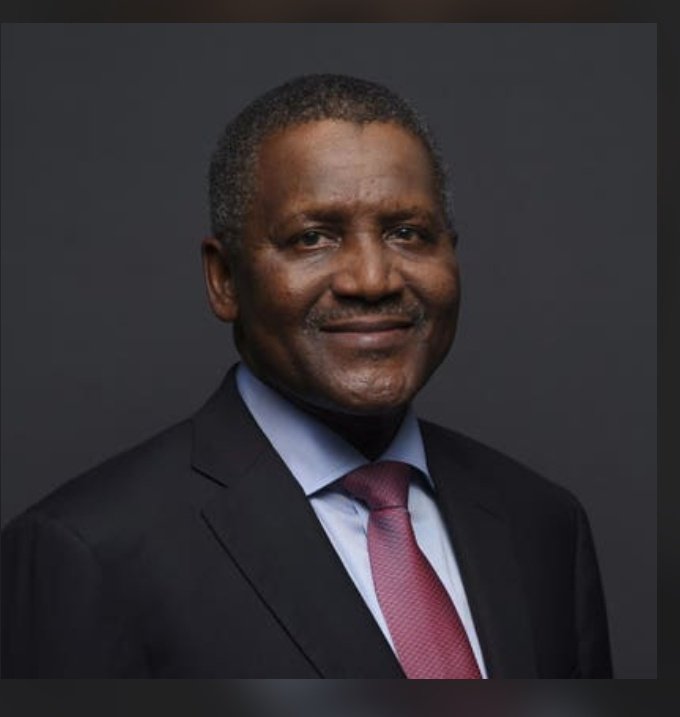
Africa has never really been poor. That might sound like a strange thing to say, but stick with me. The continent is sitting on some of the most abundant natural resources on earth, has the youngest population of any region in the world, and has been a centre of trade and civilization long before most of the countries now calling themselves “developed” were even a thought. The real issue was never resources. It was who was controlling what happened to them.
That is a conversation for another day. But it is impossible to have it honestly without eventually landing on one name, Aliko Dangote.
He was born on April 10, 1957, in Kano State, in northern Nigeria. Kano has always been a trading city, the kind of place where commerce moves in the air alongside the dust, and maybe that environment left something in him early. Because from what history tells us, Dangote was not the type to wait around for opportunity to knock. He went looking for it himself, reportedly starting as a young boy selling sweets to his classmates for profit. Small thing, you might think. But that small thing was already showing you exactly who he was going to become.
Fast forward several decades, and the Dangote Group is one of the most significant industrial conglomerates on the African continent. Cement, sugar, salt, fertilizers, oil, the group’s fingers are in the things that make a country function day to day. But nothing, not even all of that combined, has captured attention the way his oil refinery has.
The Dangote refinery sits in Lagos, and it is, by every measure, a monster of a project, the largest oil refinery in Africa and one of the biggest anywhere in the world. Now here is the part that should make you stop and think. Nigeria has been producing crude oil for decades. Decades. And for most of that time, it was sending that crude abroad to be refined, then buying it back as fuel at prices that hurt ordinary people. That is not a slight against anyone; it is just the reality of not having the infrastructure to finish what you started. Dangote built that infrastructure. At 69 years old, he is still building it.
Right now, the big news swirling around him is the refinery’s upcoming IPO. He is preparing to list a stake in the refinery across multiple African stock exchanges, and the numbers being thrown around are genuinely staggering. We are talking about a potential valuation worth of $40 billion, which would make it the largest IPO in the history of the African capital markets. Ordinary Nigerians, not just big institutions, are being positioned to take part, and that detail matters more than people are giving it credit for.
What really got people talking recently, though, was a moment that had nothing to do with stock listings or barrels per day. James Dumoulin, the founder of The School of Hard Knocks, a platform that has made its name by getting real, unscripted conversations out of some of the world’s most successful people, meets with Dangote for an interview. And the man who showed up was not what you might expect from someone whose refinery alone is worth more than $40 billion.
When asked about his net worth, he shrugged it off almost casually. Forbes puts him at around $38 billion, he acknowledged, but then pointed out that most of his businesses are not yet publicly listed, so the real figure is hard to pin down. “It will come out soon,” he said. No showboating. No lengthy speech about how hard he worked. Just a quiet, unbothered certainty that the numbers will eventually speak for themselves.
He talked about humility the same way, not like it was something he had to remind himself to perform, but like it was just part of how he was raised. His family, he said, taught him from an early age not to show off, to stay grounded, to stay disciplined. Given everything he has achieved, that is either deeply admirable or deeply fascinating, probably both.
His close friend Tony Elumelu, the banking mogul and philanthropist who has himself become one of Africa’s most respected business voices, has a nickname for him. He calls him “Alicash.” Not because of the money exactly, but because of what Elumelu describes as a Midas touch that very few people in the world genuinely possess. And yet, Elumelu has said publicly that what impresses him most about Dangote is not the wealth at all. It is the fact that the wealth never changed him.
That, honestly, might be the most interesting thing about this whole story. We live in a world where money tends to reshape people’s priorities, their personality, and the way they move through a room. Dangote seems to have gone the other direction. The bigger the empire got, the quieter the man stayed.
Africa in 2026 is not the continent some people outside it still imagine when they close their eyes. It is building refineries. It is preparing historic stock market listings. It is producing industrialists who are not asking for a seat at the global table anymore; they are setting their own. Dangote did not just build a business. He helped shift a mindset, and that is the kind of thing that tends to outlast any balance sheet.
The best of Africa is genuinely still ahead. And if you are paying attention, you can already see it coming.